
Nature Sounds
Earthbound Harmony
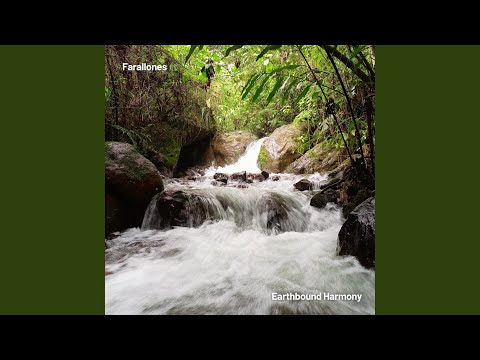
Ocean sounds, relaxing natural creek, green noise by the waterfall — field recording of nature sounds for sleep, relaxation, yoga and stress relief.
Explore Earthbound →Calming music, gentle bedtime songs and nature sounds for sleep, stress relief and a relaxed mind. Find the sound that fits your moment: relaxing piano music and authentic field recordings for deep rest. Ideal for the whole family — all in one place.
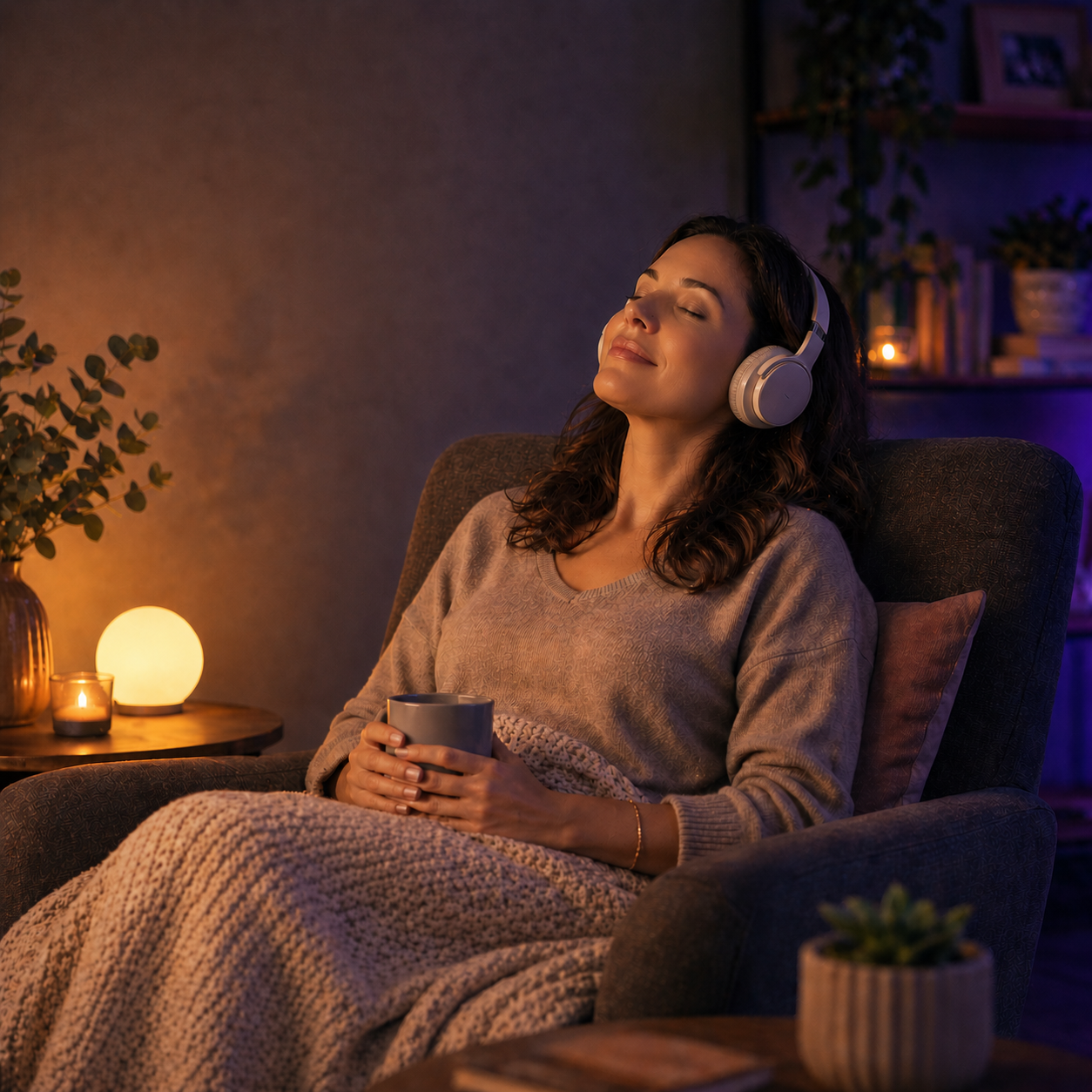
Whether you need ocean sounds, a 432 Hz piano lullabies for newborns or soft piano music for sleeping, within this relaxing music universe, you will find the perfect atmosphere for you.
Earthbound Harmony
Ocean sounds, relaxing natural creek, green noise by the waterfall — field recording of nature sounds for sleep, relaxation, yoga and stress relief.
Explore Earthbound →
Little Star Harmony
Bedtime songs played on gentle 432 Hz piano — bedtime lullabies designed to soothe newborns, calm infants and support healthy baby sleep cycles.
Explore Little Star →
Peaceful Piano Harmony
Calming piano music crafted for deep relaxation — deep sleep music, calm meditation, deep focus, reading, yoga and stress relief.
Explore Peaceful Piano →Truly calming sounds come from nature. Each track in this relaxing music universe has been created to be listened to at a low volume for extended periods: no abrupt transitions, no sudden changes, no surprises.
These are high-fidelity field recordings created to help you fall asleep faster and breathe more slowly. Nature sounds that will help you find your inner peace.
Listen now.
Play soothing sounds and let calm wash over you.


Relaxing music is designed to induce states of calm, rest, and mental balance. Its purpose is not to take center stage, but to create a sound environment that helps disconnect from mental and physical noise. For this reason, it follows a minimalist approach, using few instruments, simple structures, smooth transitions, and no abrupt changes that could create tension. It relies on slow tempos that help reduce heart rate and nervous system activity.
This type of music works because the human brain responds better to gentle stimuli. When the sound environment is stable and undemanding, the mind lowers its level of alertness and more easily enters states of relaxation, meditation, or sleep, helping the body restore its natural balance.
Listen now.
Play relaxing music and let calm wash over you.
432 Hertz calming piano lullaby version of Twinkle Twinkle Little Star designed to soothe newborns and support healthy sleep cycles.
432 Hertz relaxing piano lullaby version of All the Pretty Little Horses designed to calm babies and support healthy sleep cycles.
Visit our channels and discover the full universe on every major platform.
Earthbound Harmony
Green noise by the stream, ocean waves crashing on the beach — field recording of nature sounds for sleep, stress relief, yoga and relaxation.
Little Star Harmony
Lullabies for babies for healthy sleep, played on gentle 432 Hz piano — sleep songs crafted to comfort newborns, ease infants, and promote natural baby sleep cycles.
Peaceful Piano Harmony
Soothing piano music crafted for deep relaxation — deep sleep music, mindfulness meditation, deep focus, reading, yoga and stress relief.
Answers to the most common questions.
This is a very genuine concern these days. We can assure you that what you find published here are 100% real nature sounds: healing sounds recorded in places away from urban noise, with professional equipment to deliver pristine audio and produced in a traditional way. Relaxing ocean waves, healing sounds of a calming creek, green noise by the brook, crashing waves on the coast, healing sounds of water drops. You can trust that these are nature sounds that will truly help you reduce stress, get deep sleep, improve focus, and create a real connection with the sounds of life.
Nature sounds are the most powerful tool, without a doubt, because they help us connect with our own essence. However, the answer to this question is subjective and depends on what makes each person feel calm. In general, music created for relaxation tends to have patterns similar to those of nature sounds; that's why relaxing music is also powerful. It is music built with that same intention.
First, the basics: 432 Hz (Hertz) refers to the tuning of the A note, which is the reference note used to tune the rest of the notes in the tonal system. It does not mean that only that single sound should appear in the audio track.
Songs produced at 432 Hz sound slightly lower in pitch than those produced under the modern standard tuning of 440 Hz (used globally in commercial music). This makes them feel a bit softer, warmer, and more natural, which is relaxing and ideal for sleeping, resting, and meditating. That's why it is used in lullabies and meditative music.
In minimalist music, this nuance is more noticeable; that's why it's important for the songs to be created at a slow tempo, without abrupt changes, and with soft sounds—factors that effectively promote relaxation and sleep.
Relaxing music can help reduce stress by slowing the heart rate, lowering cortisol levels, and encouraging the release of dopamine, a neurotransmitter associated with feelings of well-being and relaxation. It may also help calm the nervous system, improve focus, reduce mental fatigue, and support better sleep by creating a more stable and peaceful sound environment.
There is no official classification of relaxing music. The best music for relaxation is subjective and depends on what makes each person feel calm. Usually, it features a simple and repetitive structure, a slow tempo, non-intrusive rhythms, simple harmony, and little variation. Although there is no universally agreed way to organize relaxing music, it is commonly grouped as follows:
Binaural beats are a technique where two slightly different audible frequencies are sent to each ear. The brain processes the difference between them and perceives a third internal frequency — not heard as an actual external sound, but experienced as a neurological perception — which may help induce states of deep relaxation, focus, or sleep.
The perceived third internal frequency is often associated with brainwave states such as Delta, Theta, Alpha, Beta, and Gamma.
It is important to note that headphones are required for binaural beats to work properly. While listening through speakers is not harmful, the binaural effect is lost as the left and right audio channels blend in the air before reaching your ears.
We do not use binaural beats on this website because we promote a more natural and flexible listening experience—one that can be fully enjoyed with or without headphones.
Solfeggio frequencies are a specific set of tones believed to have emotional, mental, and spiritual healing properties within the realms of meditative music and sound therapy. They are widely used to enhance relaxation, meditation, yoga, and sleep.
The most well-known Solfeggio frequencies include:
A Note on Perspective: While these associations are deeply rooted in spiritual traditions and alternative wellness practices, it is worth noting that there is currently no solid scientific consensus confirming specific therapeutic effects of these frequencies on their own. We share this information as a guide to the symbolic and traditional meanings behind the sounds, encouraging a personal and intuitive listening experience.
While it is common to confuse the two, they are technically distinct concepts:
In short: Solfeggio frequencies are specific sounds used for meditation, whereas 432 Hz is a tuning reference used to calibrate all the music you play, often to achieve a warmer or more organic feel.
There is a technical contradiction between pure frequencies and highly arranged music. To understand this, it is important to consider the following:
The Bottom Line: If you are looking for the true effectiveness of Solfeggio frequencies, it is best to choose minimalist sounds and steady textures. If the music has a catchy or easy-to-hum melody, the specific frequency essentially gets lost in the mix.